Why Choose an ISO Certified Foundry in China?
Global Buyer Confidence: How ISO Certification Mitigates Supply Chain Risk
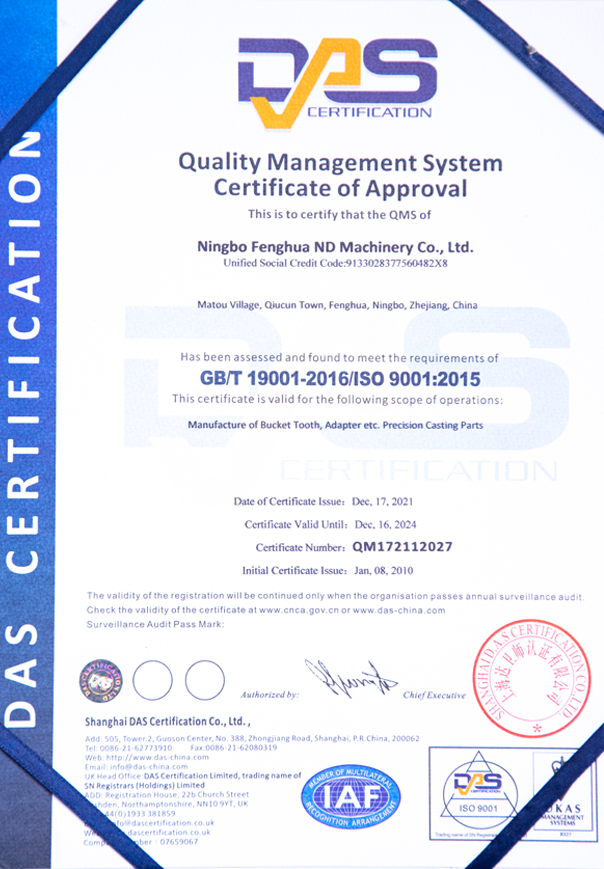
Getting ISO certified gives manufacturers access to an internationally accepted system that cuts down on risks when buying materials worldwide. When foundries follow ISO 9001 standards, they set up proper records, control their processes better, and get independent checks on where parts come from. This helps fix common problems that worry buyers, such as parts not meeting specs or shipments arriving late. Industry numbers suggest these certified shops have about 40 percent fewer size issues compared to those without certification. Fewer mistakes mean less wasted time and money for everyone involved in global production networks.
Beyond Compliance: Competitive Differentiation in Tier-1 Automotive and Industrial Sourcing
For most major automotive and industrial OEMs today, ISO certification isn't just something nice to have anymore but rather table stakes for doing business. Around three quarters of all procurement contracts now require it as standard practice. The best certified foundries don't stop there though. They actually implement ongoing improvements across their operations, apply sophisticated statistical controls to monitor how materials behave during molding, and validate metal properties while production is happening. These extra steps help manufacturers hit those tough quality standards needed for parts used in aircraft components, complex hydraulic systems, and valves that handle extreme pressures. What starts as basic compliance becomes a real competitive edge when companies need reliable suppliers who can maintain consistent output over time without compromising on safety or performance requirements.
Quality Control Across the Metal Casting Lifecycle
Incoming Material Verification: Alloy Traceability and Refractory Qualification
Stopping defects starts well before the melting process even begins. Foundries certified under ISO standards put strict controls on alloy traceability through batch number tracking systems. They check chemical compositions against both ASTM and EN specifications to make sure everything meets requirements. At the same time, refractory linings get tested for their ability to withstand thermal shocks and resist corrosion. Why does this matter? Because when refractories aren't up to standard, they cause problems. According to research published in the Journal of Materials Processing last year, poor quality refractories account for around 23% of all contamination issues in castings. This two pronged approach really matters for parts that face extreme conditions, such as pump housings or those pressure rated valve bodies used in industrial applications where failure isn't an option.
In-Process & Final Inspection: FAI, IPI, and PSI Protocols Tailored for Castings
Quality assurance isn't just one step but actually happens in three main phases that work together. The first check looks at sample parts against computer designs through 3D scans to make sure everything matches up. Then during production, we constantly monitor things like how metal flows into molds and how it hardens, making adjustments as needed based on statistical controls. Finally before shipping, there's another round of tests including X-rays to spot hidden flaws inside the casting and special dyes that reveal any cracks on the surface. This multi-step approach saves about 40 percent in fixing mistakes later on when compared to companies that only do one final check. What this means for customers is they get products that have been thoroughly checked at every stage of manufacturing.
Process Control & Defect Prevention in ISO Certified Foundries
SPC Implementation for Critical Parameters: Molding Sand Moisture, Pouring Temperature, Cooling Rate
Chinese foundries certified under ISO 9001 standards actually use Statistical Process Control (SPC) much more than just ticking off another box on their compliance list. These facilities run real time monitoring systems that keep an eye on critical factors during casting operations. For instance, they maintain strict control over things like sand moisture levels within ±0.5%, pouring temperatures around ±15°C, and how fast parts cool down. Traditional quality checks happen after problems occur, but SPC works differently. It spots small changes early before actual defects show up. When foundries manage sand moisture between 3.5% and 4.2%, they see about a 40% drop in gas porosity issues in aluminum castings. And for those working with high carbon steel, controlling thermal gradients helps prevent stress cracks from forming. Many top automotive suppliers now integrate these automated feedback systems throughout production lines. The results? Almost no defective parts making it through to customers. Just think about the costs involved too – one rejected component in these programs can set back manufacturers well over seven hundred forty thousand dollars according to research from Ponemon Institute back in 2023.
Metallurgical Validation and Lab Accreditation
ISO/IEC 17025-Compliant Testing: Spectroscopy, Tensile, Hardness, and Microstructure Analysis
FAQ Section
Why is ISO certification important for Chinese foundries?
ISO certification is crucial as it provides a standardized global benchmark for quality and reliability. This reduces the risk of non-conformance in products, ensuring consistent output and bolstering international buyer confidence.
What is SPC and how is it used in ISO certified foundries?
Statistical Process Control (SPC) is a method used to monitor and control the manufacturing process through statistical analysis. ISO certified foundries use SPC to detect and prevent defects by monitoring critical parameters in real time, ensuring consistent product quality.
What are the benefits of ISO certification in the metal casting process?
ISO certification provides a systematic approach to quality control, ensuring traceability and consistency throughout the metal casting lifecycle. It leads to higher quality outputs, reduced defects, and enhanced buyer confidence.