
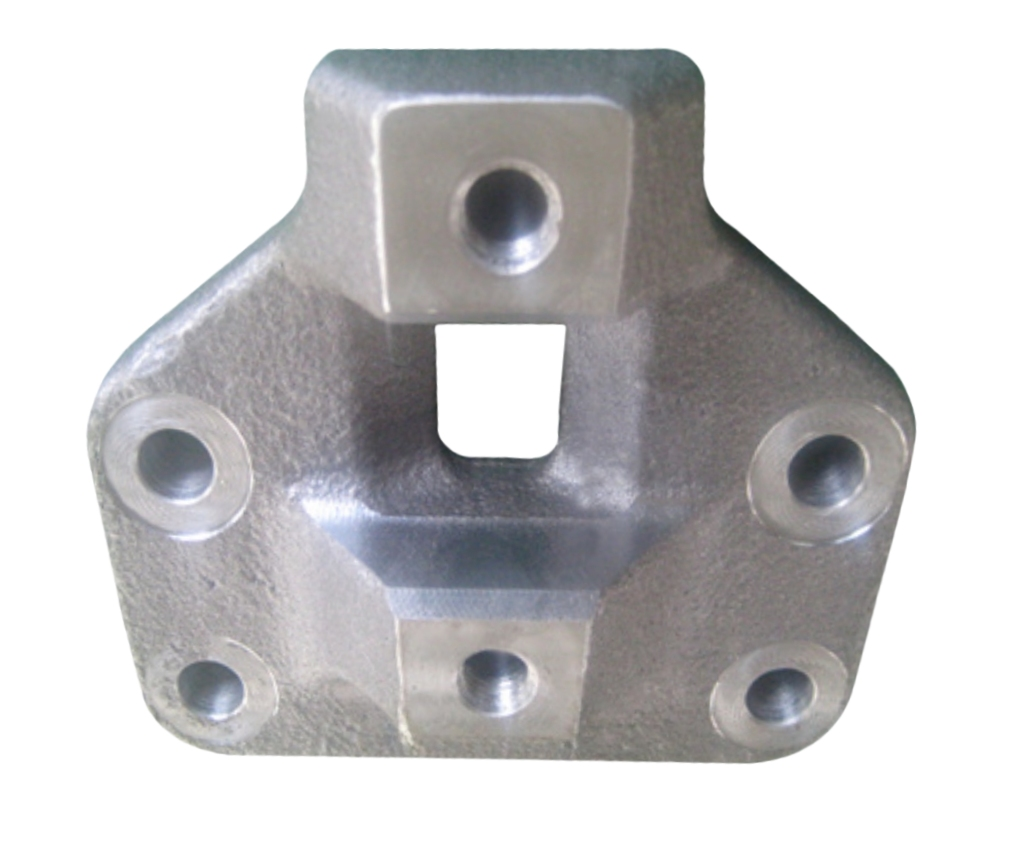
Advanced Alloy Expertise: Engineering Materials for Extreme Performance
Material science defines the frontier of investment casting capabilities. When components face temperatures exceeding 1,200°C or corrosive chemical exposure, standard alloys fail catastrophically—costing manufacturers $740k per incident (Ponemon Institute, 2023). Leading providers leverage metallurgical mastery across two critical domains:
Nickel-Based Superalloys (IN718, Inconel, Hastelloy X) for Aerospace and Energy Environments
- IN718: Retains tensile strength above 650°C—ideal for turbine blades and combustors
- Hastelloy X: Resists oxidation in sulfur-rich environments like flare stacks and petrochemical reformers
-
Inconel 625: Maintains structural integrity in subsea oil valves under 500+ bar pressure and aggressive chloride exposure
These alloys enable jet engines, gas turbines, and energy infrastructure to operate reliably beyond traditional thermal and chemical limits.
Stainless & Cobalt Alloys (15-5PH, L605, MM509) in Medical and Defense Load-Critical Components
- L605 (ASTM F90): Combines biocompatibility with exceptional fatigue resistance for orthopedic implants and cardiovascular stents
- 15-5PH: Delivers high strength-to-density ratio and dimensional stability under extreme G-forces in missile guidance systems
-
MM509: Provides neutron absorption and radiation resistance for nuclear control rod assemblies and shielding components
All undergo rigorous NDT (Non-Destructive Testing) per ASTM E165 and ASME BPVC Section V to eliminate latent defects in life-critical applications.
Mission-Critical Industry Applications of Investment Castings
Investment castings deliver precision-engineered solutions where failure isn’t an option. Industries rely on them for absolute dimensional accuracy, material integrity, and defect-free performance under extreme operational stresses.
Aerospace & Defense: Turbine Blades, Structural Brackets, and Precision Missile Systems
Turbine blades spin at an incredible 12,000 revolutions per minute while facing temperatures above 1,400 degrees Celsius. These extreme conditions mean manufacturers need to create parts with single crystal microstructures and complex internal cooling systems, something that can only be done using investment casting techniques. According to research published in the Journal of Materials Processing Technology last year, this method cuts down on component failures by about 40 percent when compared to traditional machining approaches. When it comes to structural brackets used in aerospace applications or missile housing components, there simply cannot be any porosity whatsoever. The tolerances here are extremely tight, within plus or minus 0.1 millimeters. To check these specifications, engineers rely on both micro focus X ray scans and ultrasonic testing methods. Such rigorous quality control ensures these critical parts survive the intense forces experienced during high G acceleration events and sudden temperature changes.
Medical & Nuclear Energy: Biocompatible Implant Components and Radiation-Resistant Assemblies
Cobalt chromium alloys used in orthopedic joints can reach surface finishes below 5 microns Ra, which is really important for proper bone integration and reducing bacteria sticking to the implant surfaces. According to recent studies published in Clinical Orthopaedics and Related Research back in 2022, about 97 out of every 100 implants last at least ten years without issues. When it comes to nuclear applications, both zirconium based materials and certain types of cobalt alloys work well because they don't absorb many neutrons but still hold up mechanically even after being exposed to lots of radiation over time. This helps stop radioactive material from leaking through control rods and valves inside reactors. All castings meant for nuclear use get checked thoroughly using micro focus X rays that can spot tiny flaws smaller than 50 microns something regular inspection techniques just can't find.
Precision Manufacturing Technology: From Digital Design to Dimensional Perfection
Today's investment casting processes rely on an end-to-end digital workflow that starts with parametric CAD models and moves through closed loop controls all the way to final parts that match design specs almost perfectly. Simulation software now does a great job predicting how metal will solidify, where stresses might build up, and what areas could distort during cooling. This lets engineers fix mold issues ahead of time instead of waiting for problems after the first casting run. Sensors throughout the facility constantly monitor things like molten metal temps, how hot the ceramic shells get before pouring, and cooling speeds. When something goes out of spec, machines automatically adjust themselves to keep parts within tight tolerances around 0.1 mm even on complicated shapes. These improvements cut down prototype development time by roughly 40 percent according to industry reports. For critical parts used in jet engine components, surgical implants, or military equipment casings, staying under 50 micron tolerance isn't just about meeting specs—it literally affects whether those parts will function safely or fail catastrophically in service.
FAQ
What is the significance of using nickel-based superalloys?
Nickel-based superalloys such as IN718, Hastelloy X, and Inconel 625 provide immense temperature tolerance and chemical resistance, making them ideal for aerospace and energy environments.
Why are stainless and cobalt alloys important for medical and defense applications?
Stainless and cobalt alloys, including L605, 15-5PH, and MM509, offer excellent strength, fatigue resistance, and radiation absorption, essential for critical components in medical and defense applications.
How does investment casting benefit precision manufacturing?
Investment casting ensures dimensional perfection and defect-free components under extreme operational stresses, leveraging digital design and advanced testing methods for critical industry applications.