
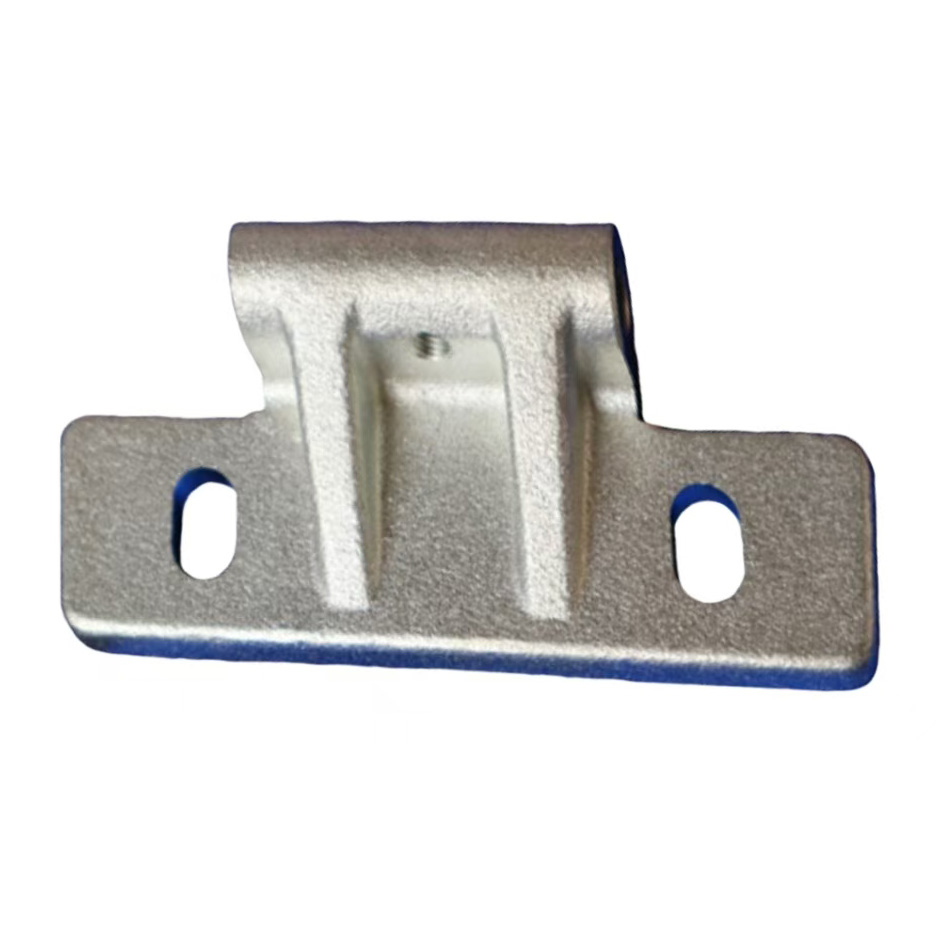
Unmatched Precision and Accuracy in CNC Machining Services
How CNC Technology Achieves Tight Tolerances for Complex Parts
CNC machines can hit really tight tolerances, sometimes down to around 0.0025 millimeters or 0.0001 inches, thanks to their high resolution encoders, powerful servo motors, and solid construction. These machines follow digital plans with incredible consistency at the micron level, which basically wipes out the kinds of mistakes people make when doing things by hand. What this means for manufacturers is they can create all sorts of complicated shapes, tiny details, and tricky curves that just aren't possible with traditional methods. Plus, modern CNC systems come equipped with real time feedback and temperature adjustments that keep everything running smoothly. Components produced this way stick pretty much exactly to what was drawn on the blueprint, no surprises along the way.
Applications in Aerospace and Medical Industries Requiring High Precision
Both aerospace and medical fields rely heavily on CNC machining when making those really important parts where getting the measurements right means the difference between success and failure. Take aircraft manufacturing for instance – things like turbine blades need to be manufactured with almost no room for error because they have to withstand extreme conditions during flight operations. The same goes for fuel systems and landing gear components which must comply with strict regulations set by aviation authorities worldwide. Over in healthcare, doctors count on surgical tools that fit perfectly inside the body without causing damage. Implants made from materials like titanium also need precise dimensions so they integrate properly with human tissue. What makes CNC so valuable here is its capability to work with special materials used in medicine while maintaining tight specifications throughout production runs. Without this level of control over manufacturing processes, many life-saving technologies simply wouldn't exist today.
Advancements in Control Systems Improving Repeatability and Accuracy
Today's CNC control systems are getting smarter thanks to artificial intelligence and those fancy adaptive machining tech stuff. What makes them stand out is their ability to tweak cutting settings on the fly when they notice things like worn tools, uneven materials, or changes in workshop temperature. The whole system keeps checking itself through this closed loop feedback thing while running those complicated motion control calculations behind the scenes. This means machines can stay super precise even when cranking out parts at lightning speed. Manufacturers report seeing fewer defective products going to waste, plus they can tackle intricate designs that would have been impossible before. Plus, shops run smoother overall without having to sacrifice product quality for faster production times.
Enhanced Production Efficiency Through Automation in CNC Machining
24/7 Operation and Reduced Lead Times in High-Volume Manufacturing
CNC machining automation allows machines to work around the clock, day after day, which really cuts down on wait times when producing large quantities of parts. These systems don't get tired like humans do, so factories can keep running even when there's no one watching. Some shops report getting their production done up to two thirds faster than traditional methods would allow. The automotive sector and makers of electronic gadgets find this particularly helpful because they often need to ramp up production quickly to meet demand spikes. When paired with robots that handle parts and change tools automatically, most shops notice smoother day to day operations and better quality control across all those long production runs.
Integration of AI and IoT for Smarter, Faster CNC Machining Services
Bringing together artificial intelligence and the Internet of Things has completely changed how CNC machines operate on factory floors today. Smart systems now constantly analyze data from sensors throughout the machining process, adjusting feed rates, cutting speeds, and tool movement patterns in real time. They can even spot when parts might fail or when tools need replacing long before any actual problems happen. With IoT connections, operators can check machine status from anywhere and make necessary changes without being physically present at the shop floor. Some manufacturers report cutting unexpected stoppages by around 40% thanks to these connected features, which also boosts their overall equipment effectiveness metrics. The result? Machines running smoother, producing better quality parts, and requiring far less hands-on supervision than traditional setups.
Case Study: Automotive Component Production Boosted by CNC Automation
One major car parts manufacturer recently switched to fully automated CNC machining cells when making transmission parts, which really boosted their productivity. Their new setup cut down on manual work by around three quarters while boosting production volume nearly tripled in just twelve months. What used to take eight whole hours now gets done in barely over two and a half hours per batch run, plus they hit an amazing 99.8% success rate on the first try without needing rework. The system includes robots handling material loading, built-in quality checks during production, and smart machining adjustments as needed. This kind of integration shows just how much difference proper automation can make in factories where large quantities need to be manufactured consistently.
Cost-Effectiveness of Professional CNC Machining Services
Reducing Operational Costs Through Automated, Error-Free Production
CNC machining cuts down on operational expenses when automation meets precision work. One tech nowadays can watch over several machines at once, which means far fewer workers needed than old school setups where each machine required its own operator. The machines cut down on wasted materials too, since they produce almost no scrap stuff left over. Plus automated systems just don't make those expensive mistakes humans sometimes do. Take advanced 5 axis CNC machines as an example these bad boys slash fixture costs around 60 percent and cut down on labor needs by about 40 percent compared to regular 3 axis equipment. Makes sense why so many shops switch to this technology whether they're building prototypes or going into full scale production runs.
Long-Term ROI: Lower Waste and Maintenance in CNC Machining Operations
Investing in CNC machining often pays off over time because it cuts down on waste materials and keeps maintenance costs low. When companies optimize their tool paths and use good nesting software, they end up using far less raw material than traditional methods. Plus, the precision of modern engineering means tools last longer before needing replacement. Newer CNC machines are built with sealed systems that protect internal components, and many come equipped with smart monitoring that alerts operators when something might be going wrong. All these factors combined usually help manufacturers get their money back within somewhere between twelve to eighteen months once operational expenses drop and production interruptions become less frequent.
Case Study: Cost Savings for a Medical Device Startup Using CNC Prototyping
A small medical device company recently switched to using professional CNC machining during their prototype phase, which slashed development time down from 12 whole weeks to only 4. They also managed to cut machining expenses by almost half at 45%. What really made a difference was how accurate the CNC work was. This meant they didn't have to go through all those extra rounds of making prototypes over and over again, something that probably saved them around $85k worth of wasted materials and man hours. Since there were so many fewer times they had to start over from scratch, the team could focus their energy on getting the product tested in real clinical settings and working through all the regulatory paperwork. As a result, they got their product out into the marketplace about 30% quicker than originally planned without having to compromise on any quality aspects whatsoever.
Consistent Repeatability for Reliable Mass Production
Ensuring Uniform Quality Across Large Production Runs
CNC machining delivers pretty much the same quality for thousands of parts, with very little difference between them in size or shape. The computer controls just follow those programmed instructions over and over again without fail, so there's no room for mistakes that come from human hands. Every single piece ends up exactly how it was supposed to be made. This kind of repeatable work matters a lot in places like car factories and phone manufacturers, because if something is off by even a tiny bit, it might not work right or could be dangerous somehow. When talking about precision down to microns, CNC machines make it possible to produce massive amounts of goods consistently without breaking a sweat.
Role of CNC Programming in Maintaining Batch-to-Batch Consistency
CNC programming is really what makes consistent mass production possible these days. When properly set up, these programs store all the necessary machining info as digital instructions that can be reused again and again. The end result? Products come out exactly the same whether they're made today or six months from now. Modern machines actually watch how tools are wearing down during operation and make tiny adjustments on their own to keep things running smoothly over time. This kind of built-in consistency means manufacturers can expect predictable outcomes, save money on quality checks, and generally spend less time looking at finished goods trying to find defects that just aren't there anymore.
Material Waste Reduction and Sustainable Manufacturing with CNC Machining
Optimized Tool Paths and Nesting Software Minimize Raw Material Usage
Today's CNC machining operations rely on sophisticated software to cut down on wasted materials by figuring out better ways for tools to move around and arranging parts smartly within the raw material. These computer systems basically map out where cuts should happen first and how best to fit multiple parts together on each piece of stock, which means fewer scraps lying around after production. We've seen shops actually save about 30 percent or so on material usage compared to older techniques, and this translates into real money saved while also being kinder to the environment. When machines handle the cutting process with such accuracy, there's no room for mistakes that humans sometimes make, so we end up wasting far less material overall.
Supporting Green Manufacturing Goals Through Efficient CNC Processes
CNC machining helps green manufacturing by saving energy and cutting down on environmental impact. The latest CNC machines actually use around 40% less electricity compared to older ones, which really cuts down on overall power consumption. Pair this with proper recycling programs for all those metal shavings and leftover bits, and suddenly the whole subtractive manufacturing process fits nicely into a circular economy model where nothing goes to waste. What's more, because CNC processes are so repeatable, there are simply fewer defective parts ending up in landfills. This dual benefit lets factories stay compliant with strict environmental rules while still keeping production numbers strong.
FAQ
What is CNC machining?
CNC machining stands for Computer Numerical Control machining. It refers to the automated control of machining tools by means of a computer system, allowing for high precision and automation in manufacturing processes.
Why is precision important in CNC machining?
Precision is crucial in CNC machining because it ensures that parts fit together correctly, function properly, and meet regulatory standards, particularly in fields like aerospace and medical devices where accuracy can be critical to the safety and efficacy of products.
How does CNC machining contribute to sustainable manufacturing?
CNC machining contributes to sustainable manufacturing by reducing material waste through optimized tool paths and smart nesting software, conserving energy with efficient machines, and minimizing the number of defective parts that end up in landfills.
What are the advantages of CNC automation?
CNC automation offers several advantages including 24/7 operation without human fatigue, reduced lead times, and improved quality control due to constant monitoring and adjustments in production processes.
Table of Contents
- Unmatched Precision and Accuracy in CNC Machining Services
- Enhanced Production Efficiency Through Automation in CNC Machining
- Cost-Effectiveness of Professional CNC Machining Services
- Consistent Repeatability for Reliable Mass Production
- Material Waste Reduction and Sustainable Manufacturing with CNC Machining
- FAQ