Contact Info
Wangjiaao, Yunlong Town, Yinzhou District, Ningbo City, Zhejiang, P.R. China.
Wangjiaao, Yunlong Town, Yinzhou District, Ningbo City, Zhejiang, P.R. China.

Home > News > Company News
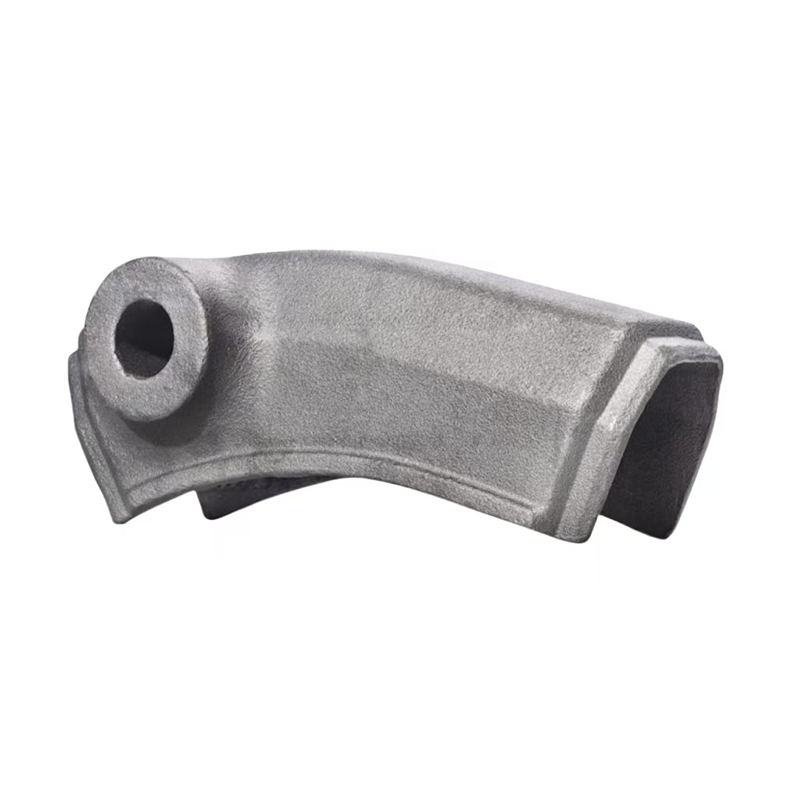
Castings for construction equipment tend to degrade much faster when exposed to harsh environments like coastal areas, chemical processing facilities, and mine drainage zones. These places have problems with chloride ions floating around, really acidic soils (anything below pH 4), plus all sorts of gritty particles that just wear things down together. Stainless steel holds up better against pits and those tricky crevice corrosion spots because it forms this protective chromium oxide layer that keeps repairing itself. For situations where things get really bad - think super acidic or full of sulfates - nickel based superalloys are the way to go. Regular carbon steel basically falls apart after just a few months in these conditions. Tests from independent labs show that special nickel chromium molybdenum alloys cut down corrosion rates by about three quarters in soils containing sulfates compared to what's normally used. This means parts last significantly longer in places like desalination plants and systems dealing with acid mine drainage.
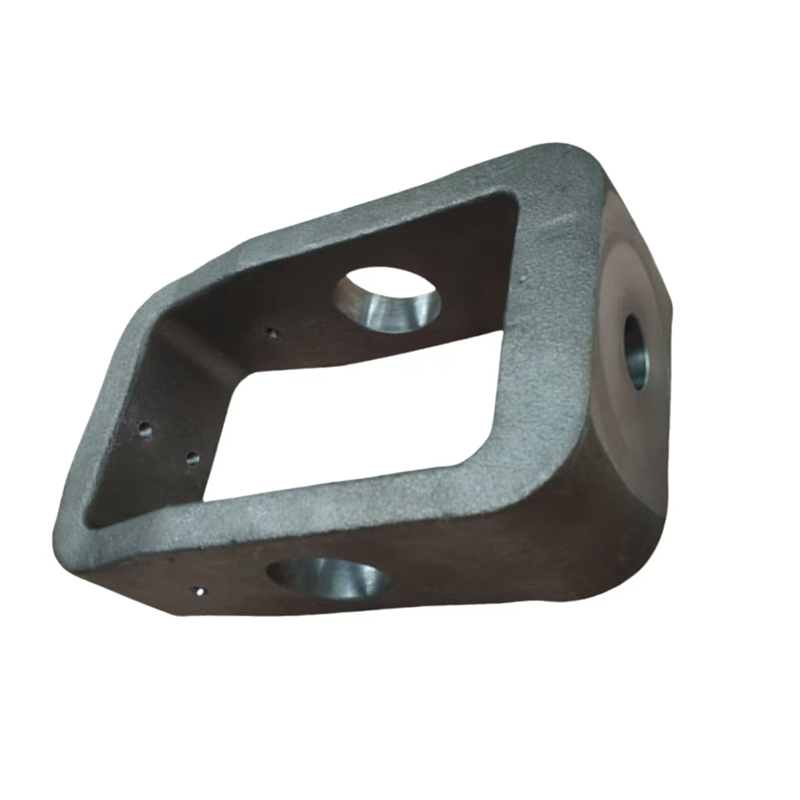
For applications where things get really dynamic like excavator boom joints or those hydraulic hammer mounts, ADI beats regular ductile iron because of its special ausferrite microstructure created through controlled austempering processes. The material actually has about 40 percent better yield strength compared to standard options, going from around 600 MPa up to 850 MPa, yet still keeps elongation properties above 10%. This means it can soak up energy much better when subjected to repeated impacts. When we look at fatigue tests that mimic actual shock loads encountered in the field, parts made from ADI last approximately three times longer before any cracks start forming compared to traditional cast iron alternatives. This kind of durability helps prevent chain reactions where one component failure leads to problems elsewhere in the system, especially important during tough conditions like digging through frozen ground or working in mines with constant vibrations.
Swing bearings designed for Arctic conditions showcase what happens when engineers tailor materials to specific environments, especially when it comes to saving money in freezing operations. Real world testing in permafrost regions has demonstrated that parts made with ADI casting last almost twice as long as standard options before needing replacement. Why? Because ADI's unique combination of graphite nodules and ausferrite keeps these components absorbing shocks and resisting wear even at temperatures below -40 degrees Celsius. Most units stay functional well past 15,000 hours of operation. For companies working in remote locations, this means fewer trips to order new parts, less time waiting for equipment repairs, and significantly reduced costs associated with shipping components across harsh terrain. These savings become absolutely critical during short winter construction seasons when every day lost to delays can mean thousands more dollars spent.
For remote mining operations and infrastructure work in tough environments, using nickel alloy castings that resist corrosion really makes a difference. These special materials in critical load bearing parts can slash emergency repair calls by around 60 percent. What's so great about them? They stand up against stress corrosion cracking even when buried in salty ground or acidic soil conditions where regular materials would fail fast. Think about what this means for companies working in hard to reach locations. Every time a repair team doesn't have to be sent out, that's between eighteen thousand and thirty five thousand dollars saved on getting people there, paying for their work, plus all the downtime while they fix things. And beyond saving money, these durable components actually protect workers from dangerous equipment failures. The benefits keep growing over time too. Companies end up needing fewer spare parts sitting around warehouses, pay less for insurance coverage, and most importantly maintain steady production without unexpected shutdowns. When viewed through this long term lens, investing in high durability castings becomes much more than just another maintenance expense it turns into smart business strategy that pays off repeatedly throughout the life of any project.
Construction equipment castings face serious problems from thermal cycling. When parts expand and contract across extreme temperatures like starting at -40 degrees Celsius in Arctic conditions and then operating at around 250 degrees in desert environments, it leads to all sorts of issues. We see micro cracks forming, joints getting out of alignment, and hydraulic systems binding up. The solution? High nickel alloys that handle these temperature swings better because they have more predictable expansion rates. These materials maintain their shape and strength even when things heat up or cool down rapidly. Real world testing on oil and gas platforms as well as mining operations shows something interesting too. Equipment failures related to misalignment dropped by about 27% after switching to these specialized alloys according to a recent study published in the Materials Performance Quarterly last year. Keeping pump housings, derrick mounts, and hydraulic frames accurate over time means fewer unexpected shutdowns. And for companies working in remote areas where downtime costs upwards of eighteen thousand dollars every single hour, that makes a huge difference in operational efficiency and bottom line savings.
Switching to high performance castings pays off right away with measurable results. Real world testing shows component failures drop by around 31% when companies move to advanced materials such as ADI or nickel alloys that resist corrosion. The improved reliability means equipment runs about 18% longer each year, speeding up projects while cutting down on labor costs for mines and construction sites. What's really important is how much safer everything becomes too. Third party inspections at actual worksites found that when there are fewer cracks in structural parts, dangerous close calls decrease by roughly 40%. These better castings don't just last longer between maintenance checks they also stop major accidents from happening altogether. That makes all the difference in keeping workers safe and operations running smoothly even under tough conditions where standard materials would fail.
What materials are best for corrosion resistance in harsh environments?
Stainless steel and nickel alloys are ideal for environments with saline, acidic, and abrasive conditions due to their ability to resist corrosion.
How do ADI materials outperform conventional cast iron?
ADI, with its ausferrite microstructure, offers better yield strength and durability under shock loads compared to conventional cast iron.
What are the benefits of using high-durability construction machinery castings?
High-durability castings reduce emergency service visits and protect workers from equipment failures, especially in remote and harsh environments.
How do high nickel alloys benefit oil & gas and mining equipment?
High nickel alloys offer thermal resilience and maintain structural integrity across extreme temperature ranges, reducing equipment failures.
 Hot News
Ningbo Nova Industries offers precision metal casting, CNC machining, and welding solutions. ISO-certified with 25,000 tons annual capacity, serving global industries like automotive, rail, and construction.
Wangjiaao, Yunlong Town, Yinzhou District, Ningbo City, Zhejiang, P.R. China.
Copyright © 2025 by Ningbo Nova Industries Co., Ltd Privacy Policy